TV shows credited to Art Smith
4 TV credits in the Trakio catalog
From Wikipedia, the free encyclopedia Arthur Gordon "Art" Smith (March 23, 1899 – February 24, 1973) was an American film, stage and television actor, best known for playing supporting roles in the 1940s. Born in Chicago, he was a member of the Group Theatre and performed in many of their productions, including Rocket to the Moon, Awake and Sing!, Golden Boy and Waiting for Lefty, all by Clifford Odets; House of Connelly by Paul Green; and Sidney Kingsley's Men in White. The gray-haired actor usually played studious and dignified types in films, such as doctors or butlers. Smith appeared in many black-and-white noirish films in supporting roles alongside more handsome and popular movie leads, such as John Garfield in Body and Soul (1947) and Humphrey Bogart in In a Lonely Place (1950). He had a key role as a federal agent in 1947's Ride the Pink Horse, starring and directed by Robert Montgomery. Two of these films, In a Lonely Place and Ride a Pink Horse, were based on novels by Dorothy B. Hughes. Smith was one of the victims of the Hollywood blacklist, which ended most of his film career in 1952. In 1957, he originated the role of Doc in the stage version of West Side Story. Smith only returned occasionally to the film business, for example in an uncredited part in The Hustler. He also worked on television before retiring in 1967. He died, aged 73, in Long Island, New York, from a heart attack.
TV credits

Lux Video Theatre
Lux Video Theatre is an American anthology series that was produced from 1950 until 1959. The series presented both comedy and drama in original teleplays, as well as abridged adaptations of films and plays.

CBS Playhouse
CBS Playhouse is an American anthology drama series that aired on CBS from 1967 to 1970. Airing twelve plays over the course of its run, the series was nominated for a number of awards and featured many noteworthy actors and playwrights.
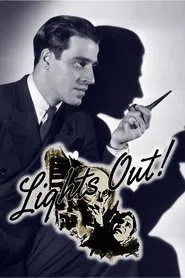
Lights Out
Lights Out was an extremely popular American old-time radio program, an early example of a network series devoted mostly to horror and the supernatural, predating Suspense and Inner Sanctum. Versions of Lights Out aired on different networks, at various times, from January 1934 to the summer of 1947 and the series eventually made the transition to television. In 1946, NBC Television brought Lights Out to TV in a series of four specials, broadcast live and produced by Fred Coe, who also contributed three of the scripts. NBC asked Cooper to write the script for the premiere, "First Person Singular", which is told entirely from the point of view of an unseen murderer who kills his obnoxious wife and winds up being executed. Variety gave this first episode a rave review ("undoubtedly one of the best dramatic shows yet seen on a television screen"), but Lights Out did not become a regular NBC-TV series until 1949.