

TV shows credited to Jitsuko Yoshimura
4 TV credits in the Trakio catalog
Jitsuko Yoshimura (吉村実子 Yoshimura Jitsuko, born 18 April 1943) is a Japanese actress. She was discovered by Shohei Imamura as a newcomer and cast in the film Pigs and Battleships. She went on to appear in The Insect Woman and Onibaba. She retired from acting in 1970, but returned in 1980 and continues to work to this day.
TV credits

dele
Freelance programmer Sakagami is paralyzed in the lower half of his body and confined to a wheelchair. He sets up a company called dele.LIFE in partnership with a law firm established by his late father. At the request of clients, Sakagami works together with a freelance jack-of-all-trades Mashiba to delete all unfavorable digital records of their clients left in their computers and smartphones after they die. They are not supposed to see inside the files but when they feel something strange in the client’s death, they cannot help getting involved.
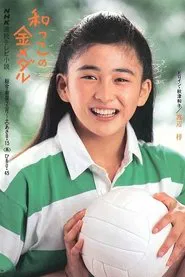
Wakko no kin medaru
和っこの金メダル
The 43th NHK Asadora about a female volleyball player who helps out the local community. Starring Azusa Watanabe.
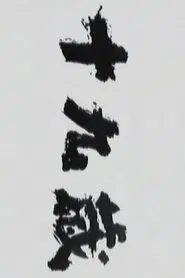
Jūkyūsai
十九歳
Daisuke dropped out of high school, and his motorcycle was the only thing that helped him cope with his loneliness. His parents find a new high school where he can ride his motorcycle to school, but he is forced to live in a dormitory. The students in the dormitory are all young people with bitter memories of dropping out of high school. The prefect of the dormitory is a teacher who is passionate about their physical education. The drama depicts the fierce clash between a nineteen-year-old rebellious high school student, who is torn between being an adult and a child, and the adults around him. This is Oda Yuji's first lead role in a TV drama.
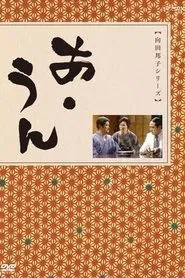
A-Un
あ・うん
Senkichi Mizuta, a pharmaceutical company employee, and Shuzo Kadokura, a war profiteer, are diametrically opposed in appearance and personality, but are best friends. Kadokura secretly loves Mizuta's wife, Tami, and both Mizuta and Tami are aware of it. The drama depicts the subtle relationship between the two men and the people around them against the backdrop of the times and customs of the early Showa period, in which both are aware of each other's love, but no one speaks of it.