Movies credited to Ain Mäeots
16 movie credits in the Trakio catalog
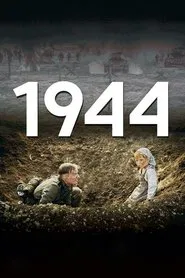
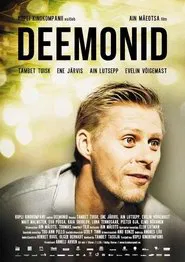
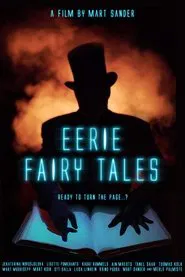
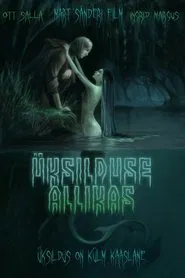
Ain Mäeots (born 25 December 1971) is an Estonian stage, film, and television actor and stage, film, and television director and producer. Ain Mäeots' first film role as an actor was a small role in the 2000 Mare Raidma directed short Lunastus, for Faama Film and Eesti Televisioon. In 2005, he appeared in his first feature-length film as Lembitu in the Kaaren Kaer directed comedy Malev; a skewed interpretation of Estonia's history set in the year 1208. In 2007, he made a cameo appearance in the Rain Tolk and Andres Maimik directed comedy Jan Uuspõld läheb Tartusse (English release title: 186 Kilometers), in which Estonian actor Jan Uuspõld plays a down-on-his-luck caricature of himself, trying to hitchhike from Tallinn to Tartu to perform in a role at the Vanemuine theater. In 2008, Mäeots made his debut as a film director with the Exitfilm biography Taarka, based on the play of the same name by Kauksi Ülle about the difficult life of Seto folk singer Hilana Taarka. Taarka has the distinction of being the first feature-length film in the Seto dialect. Mäeots also made a brief appearance in the film in the role of a villager. Taarka won the 2008 Estonian Cultural Endowment Debut Award. In 2012, he co-wrote and directed his second film, the drama Deemonid. The film chronicles the unraveling of three people who enter a casino and subsequently confronting their inner demons. In 2013, he appeared as Erik in the Hardi Volmer directed historical melodrama feature film Elavad pildid, which follows two Estonians, a girl and a boy, born at the beginning of the 20th-century in a Baltic German manor, through the coming decades and all of the revolutions, wars, military occupations, regime collapses, and new beginnings. In 2015, he played the role of Captain Evald Viires in the Elmo Nüganen directed war film 1944. The film is set in World War II and is shown through the eyes of Estonian soldiers who had to pick sides and thus fight against their fellow countrymen. It was selected as the Estonian entry for the Best Foreign Language Film at the 88th Academy Awards but it was not nominated. In 2019, he played the role of Joosep in the Mart Sander directed fantasy-horror film Kõhedad muinaslood.
Movie credits
186 Kilometers
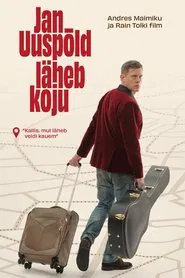
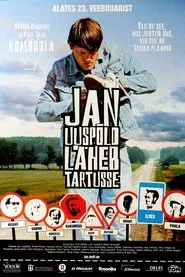
Jan Uuspõld läheb Tartusse
Jan Uuspõld is a talented actor who is not up to scratch due to his problems with alcohol. He makes up his mind to stop taking clownish roles and accepts a serious part in a play at Vanemuise theatre instead. His journey from Tallinn to Tartu becomes an unusual and in a way exaggerated voyage depicting the life and mentality of contemporary Estonia through various human natures, attitudes and ways of thinking.

Men at Arms
Malev
Year 1208. The first Eastward enlargement of Europe is under way. Brutal forces of the Teutonic Order are steadily marching on. In their path live a simple and peaceful people, whose main pastimes include cultivating the earth, singing and, if possible, doing both at the same time. They are the Estonians. Ignorant in the ways of war, they find an unlikely leader in a young boy with Catholic upbringing. In their fight for freedom, the Estonians encounter numerous obstacles, including the Germans, French, Russians and, worst of all, the Latvians. Will they succeed in defeating their enemies or will they experience a cultural awakening?
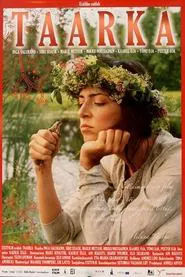
Taarka
The first film in the Seto language in the world speaks about the brightest heroine of a small people, the folk singer Hilana Taarka, a woman who lived her whole life as an outcast in a small chimney-less hut; as an unmarried mother of children in poverty, begging her bread, doing odd jobs and singing. She always sang the truth, sometimes bitter, sometimes funny, sometimes cruel. She was feared, despised and coveted. Taarka sang throughout her remarkable life, throughout her fate, from a small Seto village to international fame. And she sang well. Really well. Taarka became the Mother of the Song, a legend. But as a woman, as a member of the community, the Seto people never really accepted her. Taarka - a despised woman and a worshiped singer.