Movies credited to James Anderson
44 movie credits in the Trakio catalog
James Ottie Anderson, Jr. (July 13, 1921 – September 14, 1969), sometimes billed as Kyle James, was an American television and film actor of the 1950s and 1960s. He is probably best known for his role as Robert E. Lee "Bob" Ewell in To Kill a Mockingbird (1962). He made over 120 appearances, mostly in television and several films between 1941 and 1969. He made three guest appearances on Perry Mason, including the role of murder victim Frank Anderson in the 1958 episode, "The Case of the Pint-Sized Client," and murder victim Stanley Piper in the 1960 episode, "The Case of the Ill-Fated Faker." He appeared in a number of westerns throughout his career, often playing a gun-for-hire or outlaw. He died of a heart attack on September 14, 1969. Two films he appeared in The Ballad of Cable Hogue (1969) and Little Big Man (1970) were released posthumously. Description above from the Wikipedia article James Anderson, licensed under CC-BY-SA, full list of contributors on Wikipedia.
Movie credits
Showing 1–24 of 44
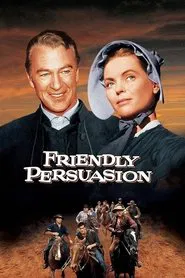
Friendly Persuasion
The story of a family of Quakers in Indiana in 1862. Their religious sect is strongly opposed to violence and war. It's not easy for them to meet the rules of their religion in everyday life but when Southern troops pass the area they are in real trouble. Should they fight, despite their peaceful attitude?
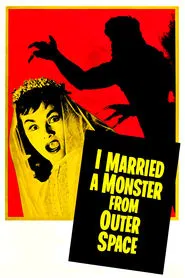
I Married a Monster from Outer Space
Aliens from Outer Space are slowly switching places with real humans -- one of the first being a young man about to get married. Slowly, his new wife realizes something is wrong, and her suspicions are confirmed when her husband's odd behaviour begins to show up in other townspeople.
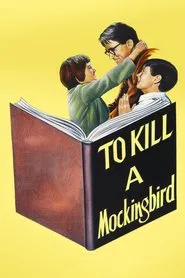
To Kill a Mockingbird
Scout Finch, 6, and her older brother Jem live in sleepy Maycomb, Alabama, spending much of their time with their friend Dill and spying on their reclusive and mysterious neighbor, Boo Radley. When Atticus, their widowed father and a respected lawyer, defends a black man named Tom Robinson against fabricated rape charges, the trial and tangent events expose the children to evils of racism and stereotyping.