Movies credited to Karuna Banerjee
12 movie credits in the Trakio catalog
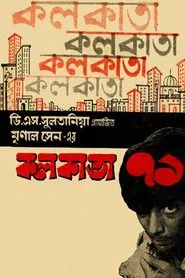
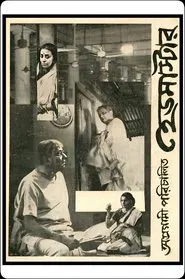
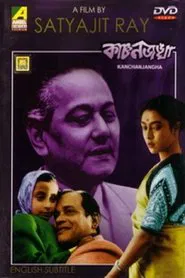
Karuna Banerjee (Bengali: করুণা ব্যানার্জী) was a Bengali actress best known for her role in Satyajit Ray's The Apu Trilogy (1955–1959) as the long suffering mother, Sarbajaya. She was nominated for Best Actress at the 1959 BAFTA Awards for her performance in Aparajito (1956), the second part of The Apu Trilogy. She appeared in a number of other films after that, including Ray's Devi (1960) and Kanchenjungha (1962). She graduated from the Jogamaya Devi College, an affiliated women's college of the University of Calcutta. Banerjee's acting career expanded over more than two decades in Bengali cinema and theatre. She is best known for her memorable performance as Sarbajaya, the mother in the first two parts of Satyajit Ray's The Apu Trilogy: Pather Panchali (1955) and Aparajito (1956). Her performance in the latter earned her a Best Actress nomination at the 1959 BAFTA Awards. She acted in a few more films, including two more by Ray, two by Mrinal Sen, and one by Ritwik Ghatak that was never officially released.
Movie credits
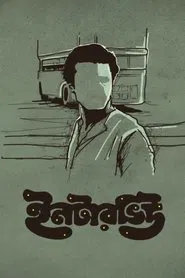
Interview
ইন্টারভিউ
A young Indian man has been assured by an uncle that all he needs to land a lucrative job is to show up to the interview in a Western style suit, but the morning of the interview is fraught with unexpected difficulties.
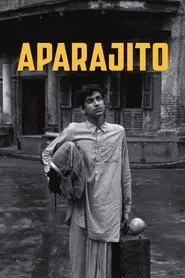
Aparajito
অপরাজিত
Apu and his family have moved away from the country to live in the bustling holy city of Benares. As he progresses from wide-eyed child to intellectually curious teenager, eventually studying in Kolkata, we witness his academic and moral education, as well as the growing complexity of his relationship with his mother.
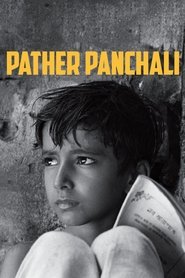
Pather Panchali
পথের পাঁচালী
Impoverished priest Harihar Ray, dreaming of a better life for himself and his family, leaves his rural Bengal village in search of work. Alone, his wife, Sarbojaya, looks after her rebellious daughter, Durga, and her young son, Apu, as well as Harihar's elderly aunt Indir. The children enjoy the small pleasures of their difficult life, while their parents suffer the daily indignities heaped upon them.